People all too easily forget the layout of the tables after just a week. The venue is just a general impression in their minds. The food though, that’s what sticks out. A BBQ catering experience that really comes together will be remembered by your guests long after the event’s over, months later, even. And if the catering falls short, well, that’s the thing everyone warns each other about when ploughing ahead with future events. It’s not the day of the event that decides the outcome, it’s weeks before when the planning was done.
Cooking Method Is Everything
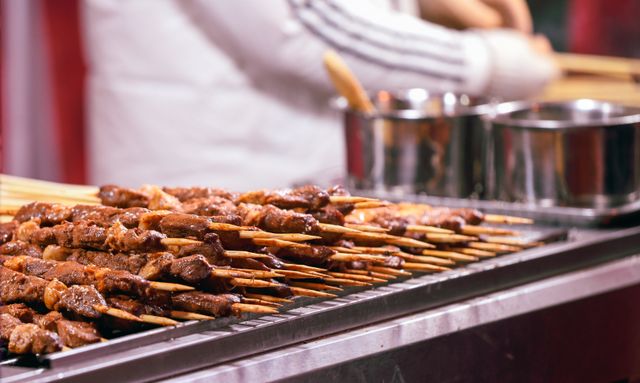
Low and slow smoking, where temperatures between 195°F to 257°F break down all that tough connective tissue in a big cut of meat, turning it into a tender, melting mess. This all comes down to the conversion of collagen over hours and hours. Smoke penetration, the formation of the bark on the outside and the rendering of all the fat, none of these can be replicated by rushing the cooking process or trying to pep it up with some finishing sauce. A beef brisket cooked to competitive standards needs 12 to 18 hours solid, uninterrupted heat, which means the caterer probably had to start cooking it the night before in order to serve it at noon.
And that is what makes all the difference because not everyone using BBQ catering has the same approach. Some smoke the food right there on site; others pre-cook it, ship it off and reheat it. Guests get totally different experiences, and so do their food safety demands, and, crucially, the flavour. None of these things are subtle, by the way.
Creating A Menu That Actually Holds Up
A BBQ menu anchored around a top quality beef brisket is what you need for a Texas style BBQ, sliced, of course. You need some lighter options too, like pulled pork and smoked chicken. And sides like potato salad, coleslaw and corn on the cob aren’t there just for show, they help balance out all that rich, smoky meat so the meal doesn’t get dull halfway through.
But with BBQ catering, you have all sorts of dietary needs to accommodate, more so than most other menus. Standard rubs are often made with ingredients you wouldn’t even think of: mustard and celery salt are common culprits. And the sauces in most BBQ places contain gluten, which isn’t always immediately obvious. A catering service worth their salt will tell you exactly what’s in everything on the menu, and make sure they’ve got separate equipment for guests with specific requirements, but only if the caterer is told about those needs well in advance, not at the last minute on the day of the event.
Now, when it comes to portion planning for BBQ catering, you have to expect big appetites, the self serve format just encourages second helpings, after all. Under cater a BBQ event and you’ll end up with very unhappy guests. Experienced caterers always build in a buffer to their orders, just to be on the safe side.
Food Safety And Mobile Catering, It’s Got Real Life Consequences
According to the Australian Centre for Disease Control, the number one risk in mobile catering is raw or undercooked chicken, and it’s all about keeping the temperature outside that safe zone between 45 and 140°F.
Matching The Service Format To The Event Type
For casual events and business functions where attendees serve themselves, buffet style is the way to go. It entails having the right equipment, replenishment procedures, and service times, which should all be in place. If they’re not, the quality of the food declines more quickly than the host would expect. For wedding and other formal events, plated service requires coordination regarding timing, table turnover and providing uniform portions, which is harder to accomplish for a mobile pit than buffet service.
Cooking and serving from the same food truck or trailer make the setup especially suitable for outdoor festivals and informal gatherings because of the role of cooking in such events.
The Questions You Need To Ask Before Committing
When does cooking start relative to the serving time, and how do they cook? Depending on your answers, you can tell whether the meat will be freshly smoked or cooked ahead of time and warmed up. Do they have any competition results independently verified, and can they give you referrals of events of similar size? Their results of participating in competitions assessed according to a particular rubric is an indicator of their quality that cannot be matched by self-provided testimonials.
Is their registration with the appropriate local authorities current, and what food safety management system do they run? This is not an administrative question. It’s the best indicator of the level of the operational discipline required for catering outdoors in large numbers.