When it comes to roofing materials, few can match the elegance and durability of slate. This natural stone has graced rooftops for centuries, captivating homeowners with its timeless beauty and unmatched longevity. If you’re considering a new roof or simply curious about your existing one, understanding the lifespan of slate roofing is essential. Let’s dive into what makes slate a popular choice, explore its rich history, and uncover some fascinating insights that will help you appreciate this extraordinary material even more. Whether you’re drawn in by aesthetics or practicality, there’s much to discover about the life expectancy of a slate roof!
The History of Slate Roofing
Slate roofing has a rich legacy that dates back centuries, and today homeowners often consider how to decide between slate roof repairs and a full roof replacement when maintaining these historic materials. It originated in Europe, particularly in regions like Wales and France, where the natural stone was abundant. The durability of slate made it an ideal choice for buildings requiring long-lasting protection.
By the 18th century, slate roofs became popular among affluent homeowners in America. Their unique aesthetic appeal complemented various architectural styles ranging from Colonial to Victorian designs.
Craftsmanship played a vital role in its installation; skilled artisans worked meticulously to ensure each tile fit perfectly. This attention to detail contributed significantly to the roof’s impressive lifespan.
As time progressed, advancements emerged in quarrying techniques and tools, making slate more accessible. Despite modern alternatives appearing on the market, many still cherish slate as a timeless option for its beauty and longevity—an enduring testament to both function and artistry throughout history.
Factors That Affect the Lifespan of a Slate Roof
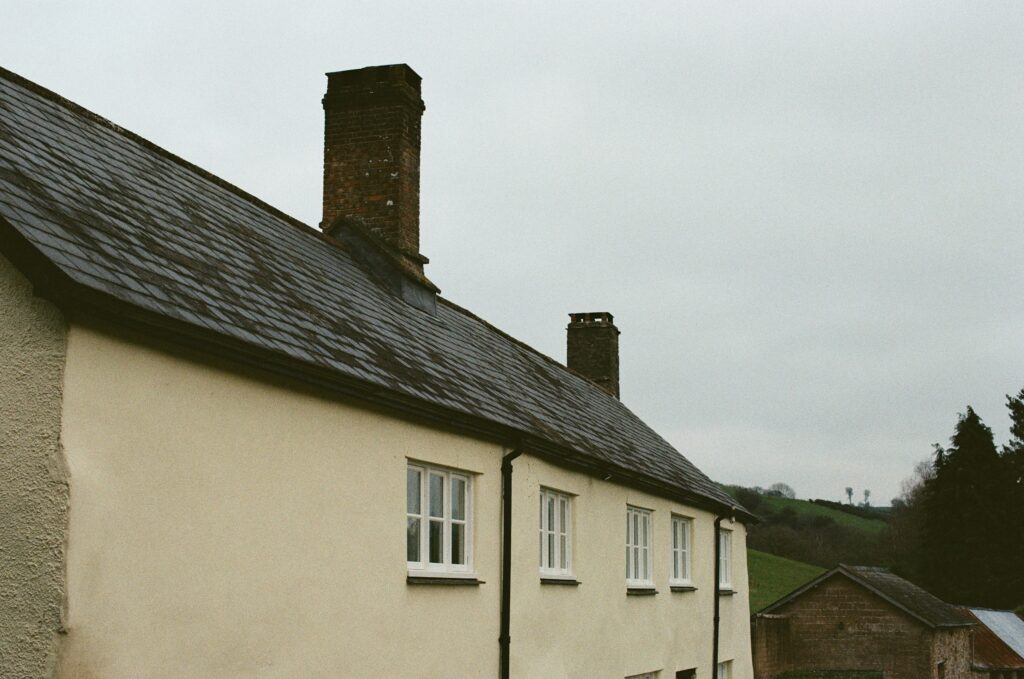
The lifespan of a slate roof can vary widely based on several key factors. First, the quality of the slate itself plays a crucial role. Natural slate is durable, but not all slates are created equal.
Weather conditions also significantly impact longevity. Extreme temperatures, heavy rain, and hail can wear down roofing materials over time.
Installation matters too. Professional installation ensures that the roof is properly aligned and secured to withstand harsh elements.
Regular maintenance cannot be overlooked. Periodic inspections help identify minor issues before they escalate into costly repairs or replacements.
Local environmental factors contribute as well. Areas with high humidity may face more challenges due to moss and algae growth, which can damage slate tiles if not addressed promptly.
Common Misconceptions About Slate Roofing
Many people think slate roofing is only for historic homes. This couldn’t be further from the truth. Modern architecture embraces slate’s timeless elegance, adapting it to various styles.
Another misconception revolves around cost. While initial investments can be high, the longevity of slate often makes it more economical in the long run compared to other materials that require frequent replacements.
Some believe that a slate roof is too heavy and may damage their home structure. However, most buildings are designed to support its weight, especially when properly installed by professionals.
There’s an idea that slate roofs are prone to leaks and require constant maintenance. In reality, with proper care and inspection, they can stand resilient against weather elements for decades without significant issues.
Signs That Your Slate Roof Needs Repair or Replacement
Slate roofs are known for their durability, but like any roofing material, they can show signs of wear over time. It’s essential to keep an eye out for indicators that your slate roof might need repair or replacement.
One common sign is the presence of cracked or broken slates. Even a small number of damaged slates can lead to bigger issues if not addressed promptly. Look for missing pieces as well; these gaps can allow water to seep through and cause significant damage.
Another red flag is the appearance of moss or algae on your roof’s surface. While this may seem harmless at first, it can trap moisture against the slates and accelerate deterioration. If you notice increased granules in your gutters after rainstorms, this could indicate that the protective layer on your slate tiles is wearing away.
Pay attention to rusted flashing around chimneys and vents too. Damaged flashing can lead to leaks, compromising both insulation and structural integrity below the roofline. Additionally, if you find yourself regularly repairing multiple areas within a short period, it may be wiser to consider a full replacement instead.
Don’t ignore how old your slate roof is—while some high-quality installations last 100 years or more with proper care, even the best materials eventually reach their limit. By staying vigilant about these signs early on, homeowners can protect their investment in one of nature’s most durable roofing options before problems escalate further down the line.