Navigating the journey of adulthood can be complex, especially for those requiring extra support. Adult care isn’t just about meeting basic needs; it’s also about fostering independence and empowering individuals to thrive in their daily lives. For many, structured programs play a crucial role in achieving this goal.
These programs are designed to provide guidance while encouraging self-sufficiency. They establish routines and offer opportunities that promote growth and personal development. As we delve deeper into how structured programs work within adult care settings, you’ll discover their transformative power not just for individuals but also for caregivers who seek meaningful connections with those they support.
The Importance of Structured Programs in Adult Care
Structured programs play a vital role in adult care. The best brisbane adult day care programs can provide consistency and predictability, which can be comforting for individuals facing challenges in daily life.
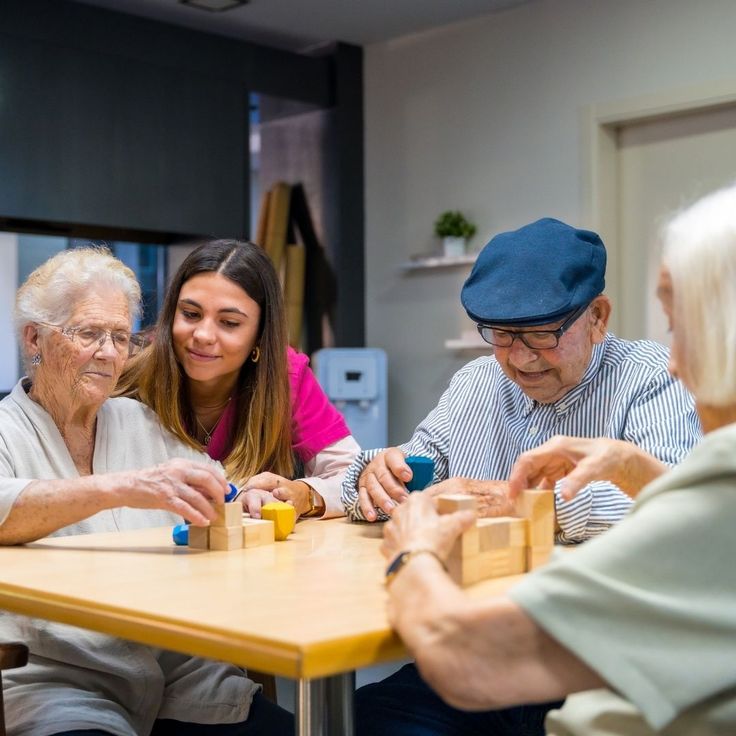
These programs often foster essential skills like decision-making and problem-solving. When adults engage in structured activities, they learn to navigate their environments with greater confidence.
Additionally, these frameworks encourage social interaction. People participating together build friendships and support networks that enrich their lives.
Importantly, structured programs also promote accountability. Participants are more likely to follow through on tasks when there is a clear framework guiding them.
Caregivers benefit too; they gain a clearer understanding of the needs and progress of those under their care. This creates an environment where everyone thrives together.
Examples of Successful Structured Programs in Adult Care
One standout example of a successful structured program is the “Life Skills Workshop” offered by various adult care facilities. This initiative focuses on practical skills, such as cooking and budgeting, empowering participants to manage their daily lives more independently.
Another noteworthy program is “Community Connections,” which encourages social engagement through organized outings and group activities. By fostering relationships with peers, individuals gain confidence and build essential social skills.
The “Job Readiness Training” makes a significant impact as well. Tailored for adults seeking employment, this program provides resume-building workshops and interview practice sessions. Participants leave feeling prepared to enter or re-enter the workforce.
Some facilities implement the “Wellness Program,” promoting physical health through exercise classes and nutrition education. Not only does this enhance independence in daily living but it also improves overall quality of life for participants.
Challenges and Solutions for Implementing Structured Programs
Implementing structured programs in adult care can present several challenges. One major hurdle is resistance from both caregivers and participants. Change can be daunting, especially for those accustomed to a certain routine.
Training staff adequately is another significant obstacle. Without proper guidance, even the best plans may falter. Investing in ongoing education can help bridge this gap.
Resource limitations also pose a challenge. Many facilities operate on tight budgets, making it hard to allocate funds for new initiatives. Creative funding solutions or partnerships with local organizations could provide necessary support.
Ensuring participant engagement remains essential. Programs must be tailored to individual needs and preferences to captivate interest and encourage participation consistently. Regular feedback mechanisms can help adjust activities accordingly, fostering a more inclusive environment that promotes independence effectively.
Impact of Structured Programs on Individuals and Caregivers
The impact of structured programs in adult care is profound and multifaceted. For individuals, these programs offer a sense of purpose and belonging. Engaging in well-defined activities fosters self-esteem and confidence. Adults can learn new skills or refine existing ones, which encourages greater independence.
Caregivers also experience significant benefits from such initiatives. With clear frameworks in place, caregivers can more effectively support their clients’ needs without feeling overwhelmed. Structured environments allow for predictable routines that ease stress for both parties involved.
Moreover, when individuals thrive under these programs, it enhances the overall atmosphere within care facilities or homes. A positive environment nurtures stronger relationships between caregivers and those they care for.
As we continue to explore innovative ways to enhance adult care practices, embracing structured programs stands out as an effective strategy. The ripple effect radiates from individual empowerment to caregiver satisfaction creating a win-win scenario in the realm of adult care services.