Frankston sits right where the warmth of the Mornington Peninsula collides with the chill of Melbourne’s south-eastern suburbs. You’ve got 1960s brick veneer homes, newer townhouses, and waterfront properties right on the bay, all with their own set of challenges. Because of this mix, finding the right ducted heating and cooling Frankston system for your house can be pretty tricky, especially if you don’t know what you’re doing. That challenge is a problem installers without local knowledge face all the time.
Frankston’s Climate Profile and What It Demands from Heating Systems
Frankston gets all the temperature extremes of Melbourne, but with a nasty wind chill in winter and the added humidity of being right by the bay. Gas ducted heating is pretty common in the older homes around Frankston, but the wind makes it tough on the system. In other suburbs, a heating system would be doing just fine on a mild morning. In Frankston, it’s working way harder to keep your house warm, and your power bills high. Every outdoor unit near the bay gets hit with the corrosive salt air. If you live within about two kays of the water, your heat exchanger is going to corrode faster than usual on a standard outdoor unit. This isn’t some optional extra. It’s just basic common sense for coastal Frankston. If an installer doesn’t mention it, you know they’re not doing their job.
Brick Veneer Housing: The Predominant Installation Challenge
The old part of Frankston is full of 1960s to 90s brick veneer construction. That means most of the homes have a decent-sized roof space to work with. The one thing that always gets skipped in the quotes is how well insulated your roof is. A ducted system in a house with poor insulation is going to be working twice as hard. That extra workload means the savings you got from putting in a fancy new system just get wasted on trying to keep your house warm or cool.
The Insulation Assessment That Doesn’t Happen
The difference between a properly insulated and a badly insulated brick veneer house is massive. It’s not just about performance. It’s about how long your system lasts. Under-insulated homes can increase the load on your heating and cooling system by 40% or more. Installers who just size a system based on floor area without checking the insulation are basically selling you a system that’s going to let you down when you need it most.
Coastal Corrosion and the Outdoor Unit Problem
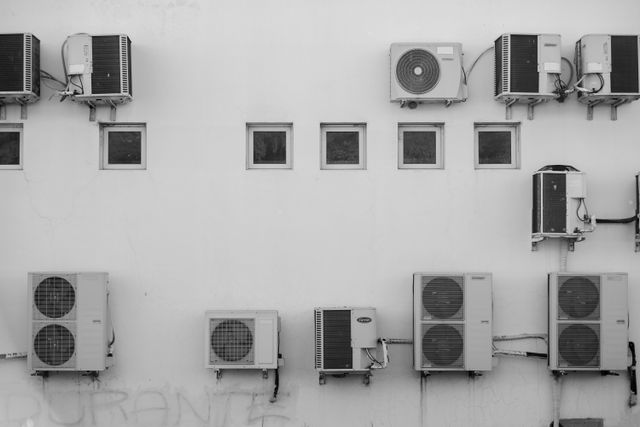
If you live within about two kays of the bay, you need marine-grade coil protection on your outdoor unit. Anything less and you’re looking at premature heat exchanger failure, repairs, or a whole new unit in just four or six years. It’s just not worth the gamble.
New Development and the Townhouse Market
Frankston’s stretch of development towards Seaford along the Nepean Highway has brought a whole lot of brand new townhouses into the market. As you’d expect, a lot of those properties are all-electric, with no gas connections. They need air conditioning systems that are ready to go from day one. Reverse-cycle ducted systems or split systems are the norm. Don’t get me started on how tricky it is to fit outdoor units into those super tight lot sizes. Have you ever tried getting ducting to work across multi-storey buildings? It’s a nightmare. To be honest, the builders usually pick systems that they can get in on time and under budget, rather than what’s actually going to be the best choice for the building in the long run. People buying a new Frankston townhouse should definitely get to the bottom of how the air conditioning system was installed before the builder’s warranty runs out. The window to sort out any dodgy sizing or dodgy ductwork is pretty small. That window closes quickly, and after that the homeowner gets to live with the consequences of someone else’s decisions during procurement.
Local Installers and What Frankston Homeowners Should Ask
When it comes to getting a good air conditioning installation in Frankston, you’re not just looking at the big Melbourne companies like McKinnon Heating and Cooling, Too Hot Climate Systems, and DP Heating and Cooling. You’ve also got some local specialists in the mix. So what sets a good installer apart from a decent one? There are some specific questions you should be asking. Do they bother with marine-grade condenser protection for all your coastal properties? Do they actually carry out some kind of insulation assessment before deciding on the system? Can they not only get the permits but also navigate all those Heritage or Vegetation Overlay issues in Frankston? These aren’t trick questions. They’re just the kind of thing a qualified local installer would be able to knock off in their sleep.