Workplace safety should never be an afterthought. Every day, employees arrive at their jobs with the expectation of a safe environment. But how often do we stop to think about the tools and equipment that protect them? The reality is that accidents can happen anywhere, from corporate offices to construction sites. This makes having the right protective gear essential for safeguarding health and well-being.
Protective equipment serves as a first line of defense against hazards that employees may encounter on the job. It’s not just about compliance; it’s about creating a culture of safety where everyone feels secure while performing their duties. In this blog post, we’ll explore what protective equipment every workplace should have and why it matters more than ever in today’s work environments. Let’s dive into this vital topic
The Importance of Protective Equipment
personal protective equipment is a critical component of workplace safety. It acts as the first line of defense against hazards that could cause injuries or illnesses.
When employees are equipped with proper gear, they can perform their tasks with greater confidence. This reduces anxiety and allows them to focus on their work without constant worry about potential dangers.
Moreover, protective equipment helps companies comply with legal regulations. Failing to provide adequate gear can lead to fines and increased liability in case of accidents.
Investing in quality protective equipment also shows employees that their well being matters. This fosters a culture of care and responsibility within the organization, promoting higher morale and productivity levels.
Prioritizing protective equipment not only safeguards workers but also enhances overall operational efficiency.
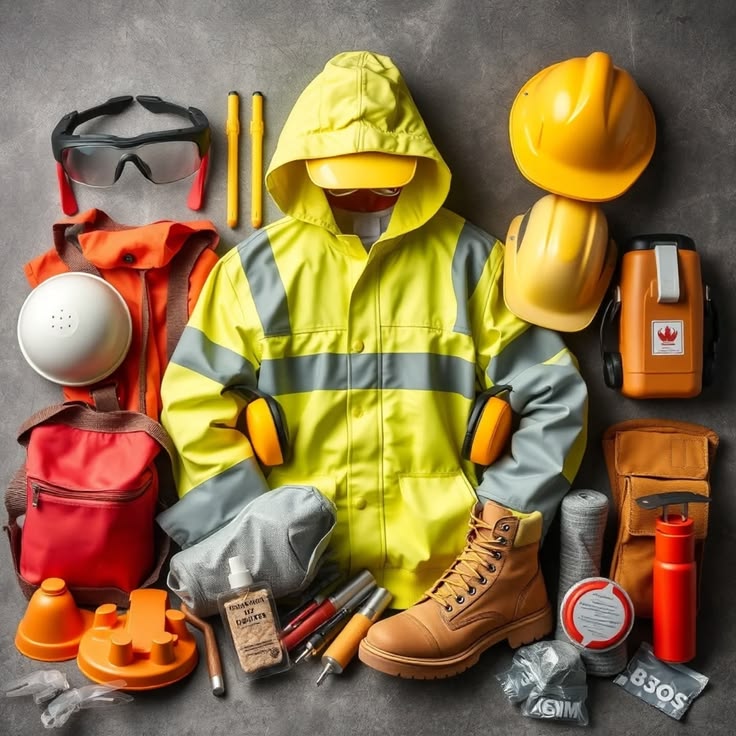
Types of Protective Equipment
Protective equipment comes in various forms, each designed to safeguard workers from specific hazards. Understanding these types is crucial for creating a safe workplace.
First up are head protection devices like hard hats and helmets. These prevent injuries from falling objects or impacts.
Next, we have eye protection, which includes goggles and face shields. They shield against flying debris and chemical splashes that could cause serious damage.
Hearing protection, such as earplugs and earmuffs, is vital in noisy environments where loud machinery operates regularly. Prolonged exposure can lead to irreversible hearing loss.
Respiratory protective gear plays a key role too. Masks and respirators guard against inhalation of harmful substances present in the air.
Body protection encompasses gloves, aprons, and full-body suits tailored for specific tasks or industries. Each type serves its purpose effectively when properly utilized within the workspace.
Personal Protective Equipment (PPE)
Personal Protective Equipment, or PPE, is vital for safeguarding workers in various industries. This equipment includes items like helmets, gloves, goggles, and masks. Each piece serves a specific purpose to mitigate risks associated with workplace hazards.
Consider the construction site. Hard hats protect against head injuries from falling objects. Safety goggles shield eyes from debris and harmful substances. These simple tools can be lifesaving.
In healthcare settings, PPE takes on another form: gowns and face shields help prevent contamination and infection spread among patients and staff alike.
Choosing the right PPE is not just about compliance; it reflects a commitment to employee welfare. Training workers on proper use enhances safety further by ensuring everyone understands how to wear their gear correctly.
The effectiveness of PPE hinges on regular inspections and replacements as necessary. Keeping equipment up-to-date maximizes protection against evolving workplace dangers.
The Role of Employers in Ensuring the Availability and Effectiveness of Protective Equipment
Employers play a crucial role in workplace safety. Their responsibility extends beyond simply providing protective equipment; it encompasses ensuring that the equipment is suitable, functional, and readily accessible to all employees.
To begin with, employers should conduct regular assessments of the workplace environment. This helps identify potential hazards and determine what specific protective gear is necessary for various tasks. Regular training sessions are vital as well. Employees must understand how to use their protective gear correctly and recognize when it needs replacement or repair.
Additionally, employers must foster a culture of safety within their organizations. Encouraging open communication about safety concerns can lead to proactive solutions. When employees feel empowered to speak up about issues related to protective equipment, it creates an atmosphere where everyone works towards common goals: health and safety.
Keeping inventory updated ensures that there’s always enough personal protective equipment on hand. An effective tracking system for PPE can help prevent shortages during critical times when employees need these tools most.
Prioritizing the availability and effectiveness of protective equipment not only safeguards workers but also boosts morale and productivity across the board. A safe workplace leads to happier employees who can focus on their work without fear or distraction from potential dangers around them.